Home

About
Home
Whilst the meaning of “home” may shift, establishing a stable, long term place to stay is critical. Home provides psychological and physical security. It is not merely a shelter but a foundational element for adapting to a new culture providing a vital sense of belonging, safety and stability amid the stresses of relocation whether chosen or forced to flee from danger, violence or war.
Home is a difficult concept to sum up, it is organic and yet rooted, it is a multi-dimensional subjective concept representing a sanctuary of belonging, identity and safety. It is hard to distinguish loss of homeland through relocation in a new country and it is a process of beginning to call this place home. This takes time.
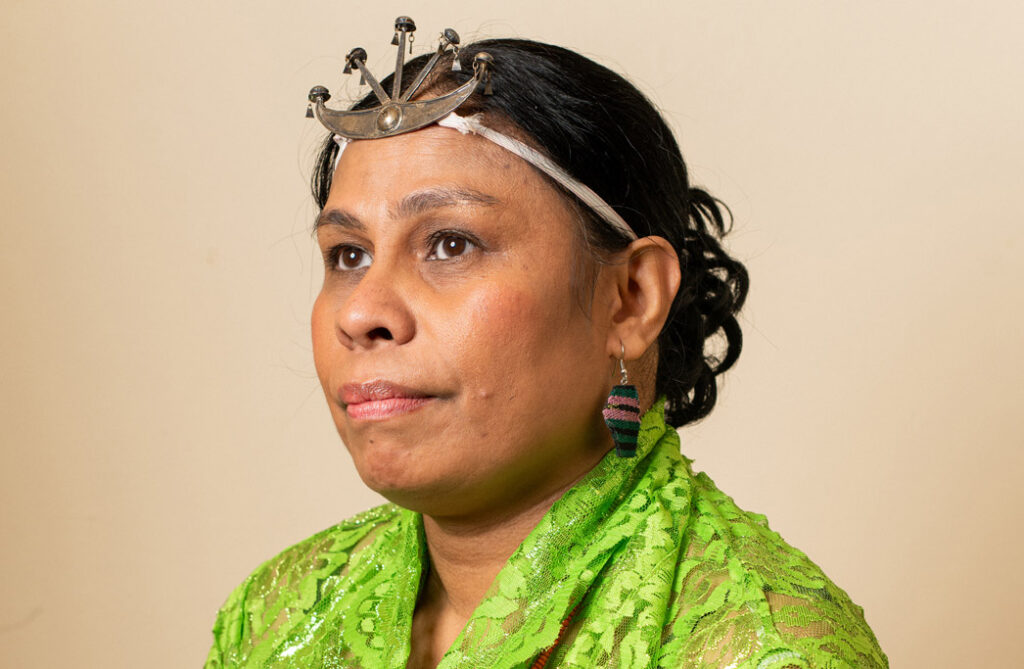
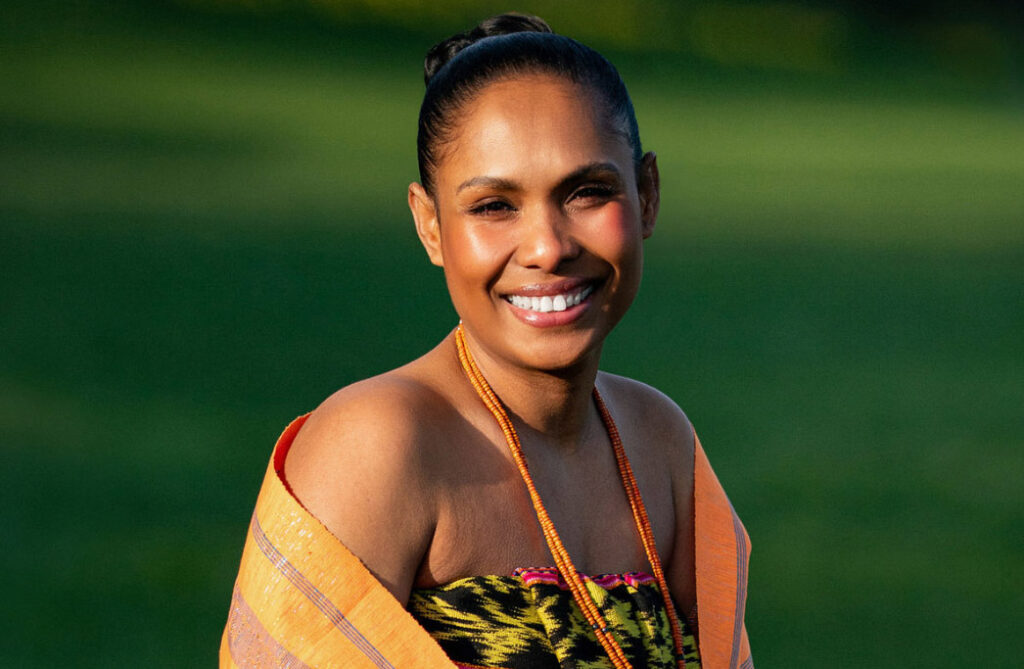
Throughout the interviews it became clear that home is a complex and fluid concept transitioning from a lost, nostalgic place of origin to a new, desired space of safety, stability and ultimately belonging. It represents a sanctuary from trauma often redefined as an emotional state through community, security, cultural identity and preservation rather than a specific place. Making a new “home away from home” represents a place where women, sometimes with, sometimes without their families have rebuild their lives, fond community and regain some sense of identity frequently through integration but also through a strong allegiance to ensuring they honour, through intangible cultural assets their histories which could so easily be lost or forgotten forever.
Home becomes a place where they practice their mother tongue, cook and eat traditional foods, sing their songs and welcome and invite others to understand, experience and share a glimpse of their cultural histories.
Related Profiles